
Authentic Gourmet Vacation Report and expert tips

Planning a Reisebericht Gourmet Urlaub? Get expert tips on selecting destinations, authentic culinary journeys, and maximizing your vacation experience.

My passion for food has shaped countless journeys. A truly authentic gourmet vacation extends far beyond Michelin stars. It involves deep dives into local culture, understanding regional ingredients, and connecting with the people who create the magic. Over two decades, I have refined my approach to these culinary adventures, moving past tourist traps to genuinely memorable experiences. This report shares my insights for anyone planning their own delicious getaway.

Overview

  • Gourmet travel prioritizes authentic local flavors and culinary immersion over simple dining.
  • Effective planning involves researching regional specialties, seasonal availability, and local markets.
  • Booking cooking classes, food tours, and chef’s table experiences offers deeper insights.
  • Budgeting for gourmet experiences should account for dining, specific activities, and travel.
  • Engaging with local producers and food artisans provides a unique, educational dimension.
  • Prioritizing flexibility allows for unexpected culinary discoveries and spontaneous detours.
  • A true Reisebericht Gourmet Urlaub blends exceptional food with cultural appreciation.

Planning Your Authentic Reisebericht Gourmet Urlaub

The foundation of any successful Reisebericht Gourmet Urlaub begins with meticulous planning. This isn’t just about reserving tables; it’s about crafting an itinerary that maximizes culinary exposure. Start by identifying regions renowned for specific gastronomic traditions. For instance, northern Italy offers exquisite pasta and truffles, while coastal Portugal boasts incredible seafood. Researching seasonal ingredients is crucial. Visiting a wine region during harvest season or a fruit-growing area at peak ripeness significantly enhances the experience.

Next, consider your travel style and budget. Do you prefer luxury dining, or are you keen on street food and local eateries? A balanced approach often works best, mixing high-end meals with casual, authentic spots. I always seek out local markets, like the ones in France or the farmers’ markets across the US, for an immediate sense of the regional bounty. Engaging with vendors and sampling fresh produce provides a wonderful prelude to future meals. Early bookings for popular restaurants are essential, sometimes months in advance. Many unique culinary experiences, such as private chef dinners or specialized food tours, also require prior arrangement.

Immersive Culinary Experiences Abroad

A truly memorable gourmet vacation extends beyond simply eating. It involves participation and education. Booking hands-on cooking classes is one of my top recommendations. In Sicily, I learned to make traditional pasta from a nonna, a lesson that offered far more than just a recipe; it provided a cultural connection. Similarly, a street food tour in Southeast Asia offers a guided exploration of flavors and local customs you might otherwise miss. These activities deepen appreciation for the food and its origins.

Another strategy involves seeking out local food festivals or agricultural events. These gatherings celebrate regional specialties and often include tastings, demonstrations, and opportunities to meet producers directly. Visiting artisanal producers – cheesemakers, olive oil mills, or vineyards – offers insight into the craftsmanship behind beloved ingredients. I particularly value these visits for the chance to understand sustainable practices and regional pride. These
  • LinaLina
  • July 29, 2026
  • 0 Comments
Best Villas for a Memorable Honeymoon in Ubud

Ubud Villas for Honeymoon

Best Villas for a Memorable Honeymoon in Ubud
Ubud villas

Introduction to Ubud Villas

Ubud, a town in Bali, Indonesia, is known for its natural beauty, rich culture, and romantic atmosphere, making it an ideal destination for honeymoons. When it comes to accommodations, Ubud villas are a popular choice among couples, offering a private and intimate setting for a memorable honeymoon experience. These villas are designed to provide a luxurious and comfortable stay, with amenities such as private pools, outdoor bathrooms, and breathtaking views of the surrounding landscape.

Ubud is a town that offers a unique blend of traditional and modern attractions, from ancient temples and art galleries to trendy cafes and restaurants. The town’s central location also makes it an ideal base for exploring the rest of Bali, with many popular attractions and activities within easy reach. Whether you’re looking for adventure, relaxation, or cultural experiences, Ubud has something to offer, and its villas provide the perfect place to stay and enjoy all that the town has to offer.

Features of Luxury Villas

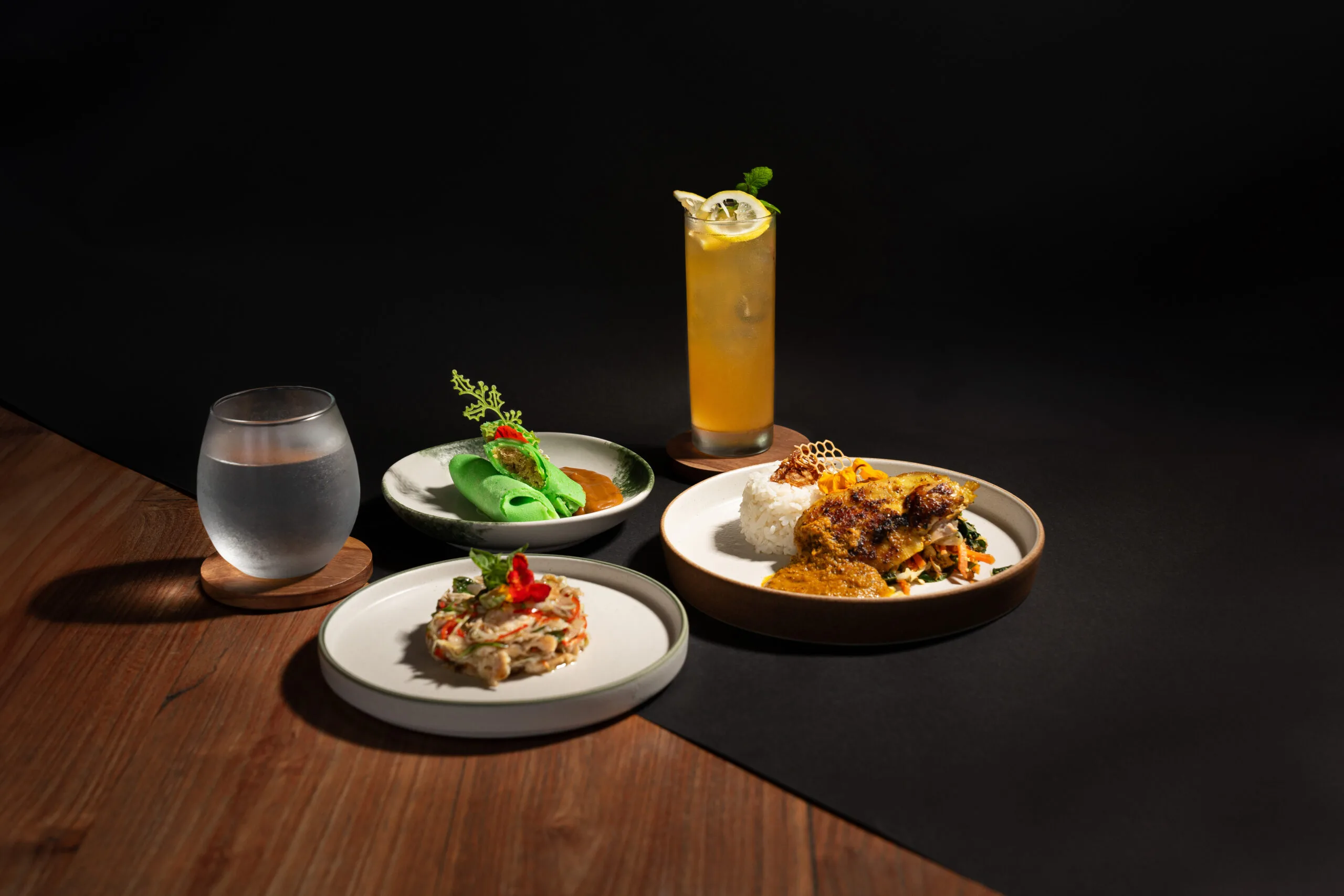
ubud fine dining
ubud fine dining

Luxury villas in Ubud are designed to provide a high level of comfort and luxury, with features such as spacious living areas, fully equipped kitchens, and private pools. Many villas also offer stunning views of the surrounding countryside, with rice fields, temples, and volcanoes providing a unique and breathtaking backdrop to your honeymoon. In addition to their luxurious amenities, many villas also offer a range of services, including private chefs, massage therapists, and tour guides, to help make your honeymoon as relaxing and enjoyable as possible.

For couples looking for a truly unforgettable dining experience, ubud fine dining options are available at many of the town’s top restaurants. These restaurants offer a range of international and local cuisine, using fresh and locally sourced ingredients to create delicious and memorable meals. Whether you’re looking for a romantic dinner for two or a special celebration, Ubud’s fine dining options are sure to impress, with their exquisite cuisine, beautiful settings, and exceptional service.

Villa Amenities and Services

In addition to their luxurious amenities, many villas in Ubud also offer a range of services to make your honeymoon as relaxing and enjoyable as possible. These services may include private yoga classes, massage therapy, and tour guides, as well as assistance with planning and booking activities and excursions. Many villas also offer a range of amenities, such as private pools, outdoor bathrooms, and fully equipped kitchens, to provide a comfortable and self-sufficient stay.

For couples looking for a truly romantic and relaxing honeymoon experience, a villa in Ubud is an ideal choice. With their luxurious amenities, beautiful settings, and range of services, these villas provide the perfect place to unwind and enjoy each other’s company, surrounded by the natural beauty and culture of Bali.

Choosing the Right Villa

With so many villas to choose from in Ubud, it can be difficult to decide which one is right for you. When choosing a villa, consider factors such as location, size, and amenities, as …

Trusted tips to Find Vegetarian Restaurants easily

Seeking meat-free dining? Learn proven, practical methods to easily Vegetarische Restaurants finden globally. Real tips for every trip.

Finding vegetarian restaurants, especially in unfamiliar places, can sometimes feel like a challenge. However, with the right approach and a few trusted methods, it’s become simpler than ever to locate delicious meat-free meals. My own experiences, spanning numerous countries and countless cities, have taught me that preparation and knowing where to look are key. These tips stem from years of enjoying plant-based cuisine worldwide.

Overview

  • Utilize specialized vegetarian/vegan restaurant apps and general review platforms.
  • Filter search results by dietary preferences on popular mapping services.
  • Learn to interpret restaurant menus for vegetarian-friendly dishes, even without explicit labeling.
  • Engage with local communities and ask for direct recommendations.
  • Understand common vegetarian phrases in different languages for international travel.
  • Prioritize cuisines with naturally high vegetarian offerings, like Indian or Ethiopian.
  • Always confirm ingredients, especially when dining in regions less familiar with vegetarianism.

Utilizing Digital Tools to Vegetarische Restaurants finden

The modern age has blessed us with an array of digital tools that simplify the search for plant-based eateries. My first port of call is usually a dedicated vegetarian or vegan restaurant app. Applications like HappyCow are invaluable. They offer user-submitted reviews, photos, and clear filters for vegan, vegetarian, or veg-friendly options. This helps me immensely, whether I’m in a small town in the US or a bustling European capital.

Beyond specialized apps, general review platforms like Yelp and TripAdvisor are excellent resources. Google Maps is particularly useful. I simply type “vegetarian food” or “vegan restaurants” into the search bar for my current location. The map then highlights nearby options. Many of these platforms allow users to filter by dietary needs, ensuring I see only relevant results. Always check recent reviews for accuracy regarding menu changes or opening hours. It’s a small step that prevents wasted journeys.

Reading Menus and Understanding Cuisine Types

Even without specific “vegetarian” labels, many restaurants offer suitable dishes. I’ve learned to scan menus for common vegetarian ingredients: lentils, chickpeas, tofu, tempeh, beans, vegetables, and grains. Look for sections often labeled “sides,” “salads,” or “starters,” as these frequently contain plant-based choices. Don’t hesitate to ask your server if a dish can be made vegetarian or vegan. A polite inquiry can often reveal hidden gems or custom options.

Certain cuisines are inherently vegetarian-friendly, simplifying the search. Indian, Ethiopian, and many Mediterranean restaurants often have extensive meat-free selections. Think about classic dishes like falafel, hummus, lentil stews, or vegetable curries. These are usually safe bets. Similarly, some Asian cuisines, particularly those with a strong Buddhist influence, can be good choices. Always be mindful of hidden animal products like fish sauce in Thai food or chicken broth in some ramen dishes. A quick confirmation with the staff is always wise.

Local Insights and Community for Vegetarische Restaurants finden

My travels have reinforced the power of local knowledge. When in a new city, asking locals for recommendations is a fantastic strategy to Vegetarische Restaurants finden. Shop

Insider Street Food Guides with practical proven tips

Mastering local flavors starts with knowledge. Our practical Street Food Guides equip you with proven methods for enjoying authentic cuisine safely, anywhere you travel. These tips come from years spent exploring markets and food stalls across continents, offering firsthand advice to enhance your culinary journeys.

Overview

  • Identifying reputable street food vendors involves observing queues, cleanliness, and fresh ingredients.
  • Prioritizing food safety is paramount, focusing on cooked-to-order items and proper hygiene.
  • Engaging with local vendors can lead to unique recommendations and a deeper cultural experience.
  • Exploring diverse neighborhoods often unveils hidden culinary gems and regional specialties.
  • Understanding local payment methods and customary tipping practices avoids awkward situations.
  • Utilizing online resources and local recommendations helps in pre-planning your street food adventures.
  • Embracing spontaneity while maintaining vigilance ensures both enjoyment and safety.

Mastering Local Flavors: Essential Street Food Guides

Successful street food exploration begins with observation. Look for vendors with steady lines, particularly locals. A busy stall suggests popular, fresh, and often delicious food. Cleanliness is another key indicator. Observe the vendor’s preparation area, the state of their utensils, and how they handle ingredients. A tidy setup usually means a conscientious cook. Don’t hesitate to peer over shoulders to see the cooking process. Is the food cooked fresh to order, or has it been sitting out? Freshly prepared items are always the safest bet.

Seek out stalls specializing in one or two dishes. Mastery often comes from focus. These vendors have perfected their craft, serving their signature items with consistency. Engaging with vendors, even with a language barrier, can be rewarding. A polite smile or gesture of appreciation goes a long way. Some of the best meals happen at small, unassuming carts, often recommended by local shopkeepers or taxi drivers. These informal Street Food Guides are invaluable. Remember to carry small denominations of local currency. Many street food vendors prefer cash and might not have change for large bills. This simple preparation makes transactions smoother for everyone involved.

Safety First: Health and Hygiene on the Go

Prioritizing your health while enjoying street food is crucial. Always choose items that are piping hot and cooked thoroughly in front of you. Boiling, deep-frying, and grilling are generally safer cooking methods. Avoid raw ingredients, especially salads or fruits that cannot be peeled, unless you are confident in the vendor’s water source and cleaning practices. Ice in drinks can also pose a risk; opt for bottled beverages or hot tea. Trust your instincts. If a stall looks unkempt or the food seems questionable, it is wise to walk away.

Proper hand hygiene is non-negotiable. Carry a small bottle of hand sanitizer and use it before eating, especially if handwashing facilities are unavailable. While adventurous eating is part of the appeal, a little caution prevents unwelcome interruptions to your trip. Most major cities, including those in the US, have health regulations for street food, but standards can vary widely. Educating yourself on common local practices, such as how food is stored or served, forms a practical part

Indigenous Cuisines Global Market Growth Trends

The world’s palate is evolving, increasingly drawn to authentic and meaningful experiences. One of the most exciting areas of growth within the global food market is the increasing popularity and appreciation of Indigenous Cuisines. These cuisines, deeply rooted in tradition, sustainability, and unique regional ingredients, are moving from local communities to international tables, creating new economic opportunities and fostering cultural understanding. The rising interest signals a broader shift towards valuing authenticity and heritage in the food we eat.

Key Takeaways:

  • Indigenous Cuisines are experiencing significant growth in the global market driven by increased demand for authentic and sustainable food experiences.
  • This growth presents economic opportunities for Indigenous communities and fosters cross-cultural understanding.
  • Factors such as ethical sourcing, cultural tourism, and innovative fusion cuisine are contributing to the popularity of these culinary traditions.

Factors Driving Growth in Indigenous Cuisines

Several factors are contributing to the rise of Indigenous Cuisines on the global stage. Firstly, there’s a growing consumer awareness and demand for sustainably sourced and ethically produced food. Indigenous Cuisines often prioritize local ingredients, seasonal cooking, and traditional farming practices that minimize environmental impact. This aligns perfectly with the values of an increasingly eco-conscious consumer base.

Secondly, the rise of cultural tourism plays a significant role. Travelers are no longer content with generic tourist experiences; they actively seek authentic interactions with local cultures. Food is a powerful vehicle for cultural exchange, and Indigenous Cuisines offer a unique opportunity to connect with the history, traditions, and values of a particular community. This has led to an increase in culinary tours, cooking classes, and restaurants featuring Indigenous Cuisines.

Finally, innovative chefs and food entrepreneurs are reimagining Indigenous Cuisines by incorporating traditional ingredients and techniques into modern dishes. This fusion approach attracts a wider audience, introducing people to the flavors and stories of Indigenous Cuisines in new and exciting ways.

Economic Opportunities in Indigenous Cuisines

The growing demand for Indigenous Cuisines is creating significant economic opportunities for us, especially for Indigenous communities. These opportunities range from small-scale farming and food production to the development of restaurants, catering businesses, and culinary tourism ventures. By showcasing their culinary heritage, Indigenous communities can generate income, create jobs, and preserve their cultural identity.

Furthermore, the increased recognition of Indigenous Cuisines can lead to greater investment in sustainable agriculture and food production practices. This not only benefits the environment but also empowers Indigenous communities to maintain control over their food systems and protect their traditional knowledge. The financial benefits allow us to reinvest in our communities.

Addressing Challenges in the Indigenous Cuisines Market

While the growth of Indigenous Cuisines presents numerous opportunities, it’s important to address the challenges that may arise. One key challenge is ensuring that the commercialization of Indigenous Cuisines is done in a respectful and ethical manner. It’s crucial to avoid cultural appropriation and to ensure that Indigenous communities are actively involved in and benefit from the process.

Another challenge is maintaining the authenticity and integrity of Indigenous Cuisines as they become more

Food Storytelling Global Market Growth Insights

The food industry is constantly evolving, and in today’s competitive market, simply offering a delicious product isn’t enough. Consumers are craving connection, authenticity, and experiences. This is where Food Storytelling comes in. It’s the art of weaving narratives around food, connecting it to its origins, the people who make it, and the emotions it evokes. This practice is experiencing significant global market growth as brands recognize its power to engage consumers and drive sales.

Key Takeaways:

  • Food Storytelling is a rapidly growing trend in the food industry, driven by consumer demand for authenticity and connection.
  • Brands are using Food Storytelling to differentiate themselves, build loyalty, and increase sales.
  • The global market for Food Storytelling is expanding across various channels, including digital marketing, packaging, and in-store experiences.

Understanding the Global Growth of Food Storytelling

Food Storytelling is more than just pretty pictures of food. It’s about crafting a narrative that resonates with consumers on an emotional level. It’s about sharing the story behind the ingredients, the passion of the producers, and the cultural significance of the dish. This trend is fueled by a growing desire for transparency and a yearning to connect with the origins of the food we consume. The global market is witnessing a surge in demand for brands that can authentically share their story. Consumers are no longer just buying a product; they’re buying into a philosophy, a history, and a shared experience. This shift in consumer behavior is driving the growth of the Food Storytelling market across various platforms. We see it in the rise of farm-to-table restaurants, the increasing popularity of artisanal food products, and the growing use of storytelling in food marketing campaigns.

The Power of Food Storytelling in Branding

Why is Food Storytelling so effective? Because it allows brands to connect with consumers on a deeper level. It builds trust, fosters loyalty, and differentiates brands from the competition. A compelling food story can transform a simple product into a cherished experience. For example, a coffee brand might share the story of the farmers who cultivate their beans, highlighting their sustainable practices and commitment to quality. This narrative not only informs consumers about the product but also creates an emotional connection, making them more likely to choose that brand over another. Successful Food Storytelling often involves showcasing the people behind the product. Consumers are drawn to stories of passion, dedication, and craftsmanship. By highlighting the individuals who contribute to the food production process, brands can humanize their products and create a stronger sense of connection with their audience. This allows us to build a sense of community around the food.

Key Channels for Food Storytelling Implementation

The opportunities for Food Storytelling are vast and varied. Digital marketing provides a powerful platform for sharing stories through blog posts, social media campaigns, videos, and interactive content. Packaging can also be used to tell a story, with brands incorporating information about the product’s origin, ingredients, and production methods. In-store experiences, such as cooking demonstrations and farm visits, offer

Heritage Recipes Global Market Growth Insights

The world of food is constantly evolving, yet amidst the new culinary creations, there’s a powerful resurgence of interest in the past. Heritage Recipes, passed down through generations, are experiencing a global surge in popularity, reshaping the food industry and captivating consumers worldwide. This article delves into the factors driving this growth, explores key market trends, and provides insights into the exciting future of traditional culinary practices.

Key Takeaways:

  • Heritage Recipes are experiencing significant global market growth driven by consumer interest in authenticity, cultural preservation, and unique flavors.
  • The food industry is adapting by incorporating Heritage Recipes into product development, restaurant menus, and culinary tourism experiences.
  • Regional variations and cultural nuances play a critical role in the success and adaptation of Heritage Recipes in different markets.
  • Technology and social media are vital in sharing and promoting Heritage Recipes globally, connecting people with their culinary roots.

Understanding the Global Market Growth of Heritage Recipes

The renewed interest in Heritage Recipes is fueled by several factors. Firstly, consumers are increasingly seeking authentic and unique experiences, and traditional foods offer a direct connection to culture and history. In a world dominated by mass-produced goods, Heritage Recipes provide a sense of individuality and craftsmanship. Secondly, there’s a growing awareness of the importance of preserving cultural heritage. Food is an integral part of cultural identity, and by embracing Heritage Recipes, people can connect with their roots and share their traditions with others. Thirdly, the rise of culinary tourism has significantly contributed to the popularity of Heritage Recipes. Travelers are eager to sample local specialties and learn about the culinary history of the places they visit, creating a demand for authentic food experiences.

Furthermore, the food industry is responding to this trend by incorporating Heritage Recipes into product development. Food manufacturers are adapting traditional recipes to create convenient and accessible products that appeal to consumers. Restaurants are also featuring Heritage Recipes on their menus, offering diners a taste of the past.

Regional Variations in Heritage Recipes and Market Growth

The global market for Heritage Recipes is diverse, with regional variations playing a crucial role in shaping consumer preferences and market dynamics. In some regions, Heritage Recipes are closely tied to specific ethnic groups or communities, while in others, they are more broadly recognized as part of the national cuisine.

For example, in Italy, Heritage Recipes are a cornerstone of the country’s culinary identity. Traditional pasta dishes, regional sauces, and locally sourced ingredients are highly valued and widely consumed. In Southeast Asia, Heritage Recipes often reflect the region’s rich culinary history and diverse cultural influences. Dishes like Pad Thai, Pho, and Rendang are popular worldwide and represent the unique flavors of the region. In Latin America, Heritage Recipes are often associated with indigenous ingredients and traditional cooking techniques. Dishes like Mole, Tamales, and Ceviche are cherished for their cultural significance and unique flavors. The variations can also come from families. Many of us had recipes handed down to them with a secret ingredient or

Culinary Tourism A New Definition for Foodies

Beyond the Tourist Trail: Experiencing Local Culture Through Food

Forget the generic tourist traps and bland hotel buffets. Culinary tourism is about so much more than just eating; it’s about immersing yourself in a destination’s unique culinary heritage, connecting with local communities, and discovering authentic flavors that you won’t find anywhere else. It’s about understanding the stories behind the dishes, the ingredients, and the people who create them.

More Than Just a Meal: The Cultural Significance of Food

Food is inextricably linked to culture. Every dish tells a story – a story of history, tradition, and the land itself. By engaging in culinary tourism, you’re not just tasting food; you’re experiencing the very essence of a place. From learning traditional cooking techniques from local families to visiting bustling markets overflowing with exotic ingredients, every experience offers a deeper understanding of the destination’s cultural identity.

Hands-On Experiences: Learning the Art of Local Cuisine

One of the most rewarding aspects of culinary tourism is the opportunity to participate in hands-on cooking classes. Imagine learning to make authentic pasta from a nonna in Italy, mastering the art of sushi preparation in Japan, or perfecting a spicy curry in Thailand. These experiences aren’t just about acquiring new skills; they’re about building connections with local chefs and communities, sharing laughter, and creating lasting memories.

Exploring Local Markets: A Sensory Feast

Visiting local markets is a must for any culinary tourist. These vibrant hubs are not just places to buy food; they’re a sensory feast, brimming with sights, sounds, and smells. Here you can sample exotic fruits, chat with passionate vendors, and witness the bustling energy of daily life. It’s a chance to discover hidden gems, taste unique products, and truly connect with the heart of the community.

Wine Trails and Brewery Tours: Beyond the Plate

The culinary experience extends far beyond the plate. Wine trails, brewery tours, and distillery visits provide fascinating insights into the production of local beverages. Learn about the terroir that influences the taste of wines, the brewing process behind a craft beer, or the meticulous distillation of spirits. These experiences offer a deeper understanding of the region’s agricultural landscape and its impact on the overall culinary scene.

Sustainable and Ethical Tourism: Supporting Local Communities

Culinary tourism, when done responsibly, can be a powerful force for good. By choosing to eat at locally owned restaurants, participate in farm-to-table experiences, and support small businesses, you’re contributing directly to the economic well-being of the community. This type of sustainable tourism ensures that the authentic culinary traditions are preserved for generations to come.

From Farm to Table: Tracing the Journey of Your Food

Many culinary tourism experiences focus on the farm-to-table concept, allowing you to trace the journey of your food from its origin to your plate. Visit farms, meet the producers, and learn about sustainable agricultural practices. This deeper connection to the source of your food adds another layer of appreciation to your culinary adventures.

Beyond the Restaurant: Street Food Adventures

Don’t underestimate the

Taste the World Top Culinary Travel Spots

Kyoto, Japan: A Culinary Symphony of Tradition and Modernity

Kyoto, Japan isn’t just a city steeped in history; it’s a culinary paradise. Wander through its enchanting streets and stumble upon hidden gems – tiny ramen shops serving steaming bowls of perfection, elegant kaiseki restaurants offering meticulously crafted multi-course meals, and bustling Nishiki Market overflowing with fresh seafood, pickled vegetables, and unique local delicacies. From the delicate artistry of matcha sweets to the robust flavors of Kyoto-style tofu, every bite tells a story. Don’t miss trying the iconic Kyo-ryori, a refined haute cuisine that highlights seasonal ingredients and meticulous presentation. It’s an experience that transcends mere sustenance; it’s a journey for the senses.

Lyon, France: The Gastronomic Capital of the World

Lyon, often dubbed the gastronomic capital of France (and arguably the world), boasts a culinary heritage that’s both rich and deeply ingrained in its culture. This city is where the famous “bouchons” – traditional Lyonnaise bistros – thrive, serving hearty and rustic dishes like quenelles, salade lyonnaise, and pralines. Beyond the bouchons, Lyon offers a dazzling array of Michelin-starred restaurants, showcasing the highest levels of French culinary artistry. The city’s vibrant markets, brimming with fresh produce and local specialties, are a testament to its commitment to high-quality ingredients. A trip to Lyon is a culinary pilgrimage, a chance to indulge in classic French cuisine at its finest.

Bangkok, Thailand: A Street Food Paradise

Bangkok’s street food scene is legendary, a vibrant tapestry of flavors and aromas that will tantalize your taste buds. From fiery curries to fragrant noodle soups, from succulent grilled meats to exotic fruits, the options are seemingly endless. Each street corner holds a new culinary adventure, a chance to sample dishes you’ve never encountered before. Don’t be afraid to venture off the beaten path and explore the hidden alleys, where you’ll find the most authentic and delicious street food stalls. Remember to try the Pad Thai, Green Curry, and Mango Sticky Rice – iconic dishes that are essential to any Bangkok food experience. It’s a feast for the adventurous palate.

San Sebastián, Spain: Pintxos Perfection

San Sebastián, nestled on the Basque Coast of Spain, is a city defined by its “pintxos” – small, tapas-style snacks that are a culinary celebration. These aren’t your average tapas; they are miniature works of art, showcasing the region’s fresh seafood, vibrant vegetables, and innovative culinary techniques. Bar hopping is a quintessential San Sebastián experience, as you sample a variety of pintxos at different bars, each offering its own unique creations. The city’s Michelin-starred restaurants also contribute to its gastronomic reputation, blending traditional Basque cuisine with modern flair. It’s a foodie’s dream, a city where every bite is an exquisite adventure.

Bologna, Italy: The Heart of Italian Cuisine

Bologna, often referred to as “La Grassa” (the fat one), is a testament to Italy’s rich culinary heritage. This city is synonymous with pasta, particularly its famous tagliatelle al ragù (Bolognese sauce), a dish that’s both comforting and deeply flavorful. But Bologna offers much

Puglia A Culinary Journey Through Italy’s Heel

Puglia’s Bountiful Coastline: A Seafood Lover’s Paradise

Puglia’s long coastline, stretching along the Adriatic and Ionian Seas, provides an abundance of fresh seafood. From the simple yet delicious spaghetti alle vongole (spaghetti with clams) to the richer, more complex flavors of grilled octopus or sea bass, the seafood here is unparalleled. The fishing traditions are deeply rooted in the culture, and you’ll find small, family-run trattorias serving dishes passed down through generations. Don’t miss the opportunity to savor the freshest catches of the day, often simply prepared to allow the natural flavors to shine.

Olive Oil: The Liquid Gold of Puglia

Puglia is synonymous with olive oil. Rolling hills covered in ancient olive groves produce some of the finest olive oil in the world. The region boasts a wide variety of olive cultivars, each lending a unique flavor profile to the oil. From the fruity and peppery notes of Coratina to the milder, more delicate taste of Ogliarola, Puglian olive oil is an essential ingredient in almost every dish, adding richness and depth of flavor. Many producers offer tours and tastings, allowing you to discover the nuances of this precious liquid gold and understand the dedication behind its production.

Pasta Perfection: From Homemade to Restaurant Delights

Pasta is a cornerstone of Puglian cuisine. While you’ll find classic Italian pasta shapes like orecchiette (little ears) and cavatelli (little shells), many families still make pasta by hand, following recipes passed down for centuries. These homemade pastas are often served with simple sauces, highlighting the quality of the ingredients. From the hearty ciceri e tria (chickpea and pasta soup) to the delicate troccoli with wild mushrooms, the pasta dishes of Puglia are a testament to the region’s culinary heritage.

Sun-Drenched Tomatoes and Vibrant Vegetables

Puglia’s warm climate fosters the growth of an incredible array of vegetables. Tomatoes, bursting with flavor, are used extensively in sauces, salads, and as a simple side dish. Eggplants, peppers, and zucchini are also abundant, often roasted or grilled to bring out their natural sweetness. The region’s farmers’ markets offer a vibrant display of fresh, seasonal produce, an experience not to be missed for those seeking an authentic taste of Puglia.

The Sweet Side of Puglia: From Almond Biscuits to Honey Delights

Puglia’s sweet treats are as diverse and delicious as its savory dishes. The region is renowned for its almond pastries, from delicate biscotti to rich, creamy almond cakes. Honey, produced from the wildflowers that bloom across the countryside, is another key ingredient, often used in traditional sweets and desserts. The sweet flavors provide a wonderful counterpoint to the region’s savory dishes, creating a balanced and unforgettable culinary journey.

Cheese and Salumi: A Taste of Tradition

Puglia also boasts a rich tradition of cheese and cured meats. From the creamy, milky ricotta to the sharp, aged pecorino, the cheeses of Puglia offer a wide range of flavors and textures. Similarly, the region produces a variety of cured meats, including capocollo (a type of cured pork loin) and salsiccia