
 neezh
neezh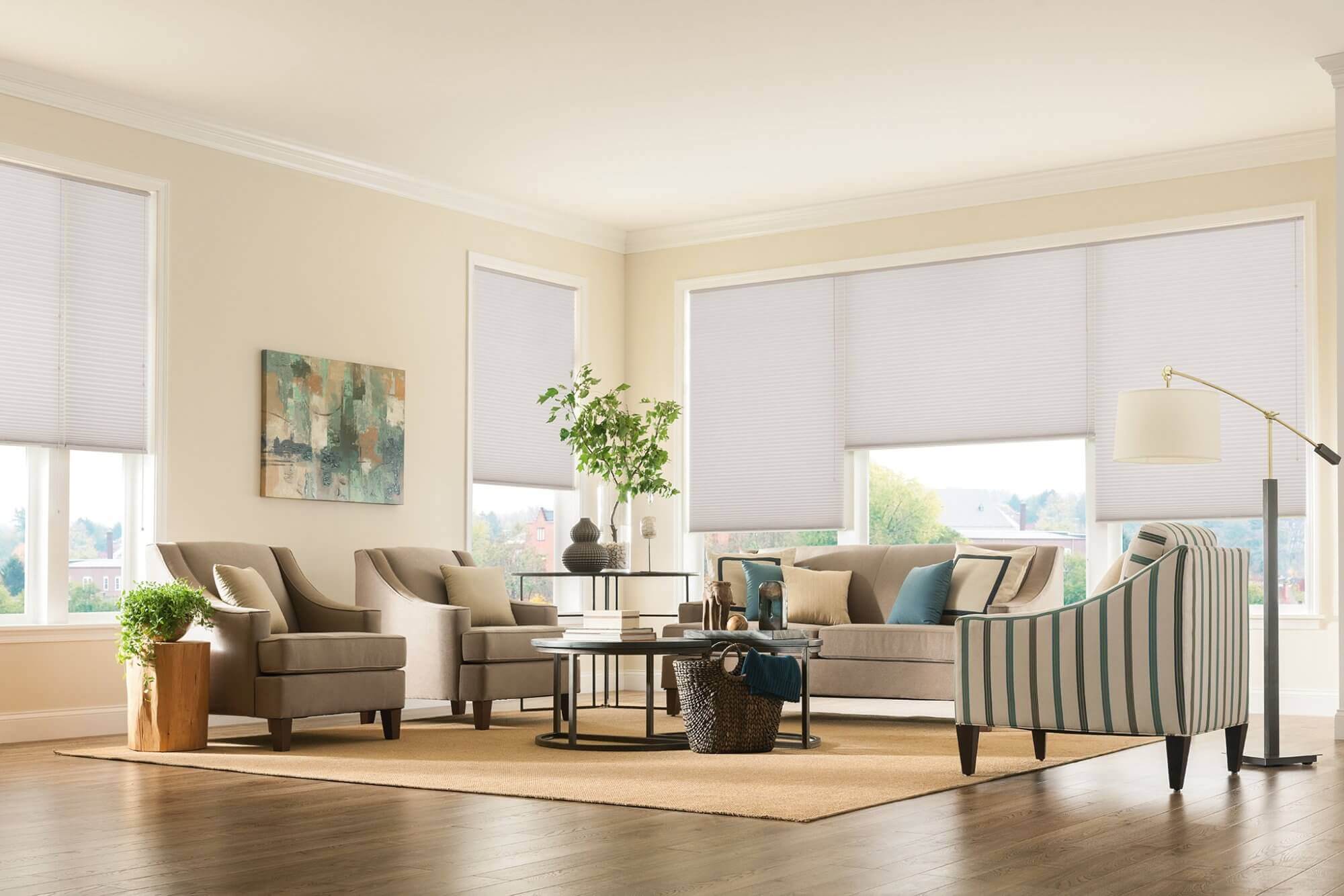
Windows have a way of quietly dictating the mood of a room.
They determine how much sunlight filters in at breakfast, how private a bedroom feels at night, and whether a living room feels airy and expansive or warm and cocooning. Yet window treatments are often chosen last, after the paint, furniture, rugs, and lighting have already claimed their places.
That is a missed opportunity.
The right window treatment can transform the proportions of a room, soften architectural lines, introduce color and texture, and make an interior feel considered down to the smallest detail. The challenge is knowing what works where.
A dramatic living room may call for full-length drapery. A compact kitchen might benefit from a tailored roman shade. A bedroom could need both. And a bathroom has an entirely different set of practical considerations.
So rather than choosing treatments based purely on appearance, start with the room itself.
First, Consider What the Window Needs to Do
Before falling for a particular fabric, ask four questions: How much light do you want? How much privacy do you need? How much space is available around the window? And what role should the treatment play in the overall design?
Some windows need to disappear quietly into the background. Others deserve to become a focal point.
A room with beautiful architectural windows might benefit from a simple treatment that lets them take center stage. A plain room, meanwhile, can gain enormous personality from patterned fabric or richly textured drapery.
Once the practical requirements are clear, the aesthetic decisions become much easier.
Living Room: Think in Layers
The living room is where you can afford to be a little more ambitious.
It is often one of the largest spaces in the home, and its windows can handle substantial treatments without feeling overwhelmed. Full-length curtains are a classic choice, particularly when mounted high and wide to emphasize the height and breadth of the room.
Custom curtains are especially useful here because proportion matters. The right length, fullness, and placement can make an ordinary window look considerably more impressive.
For a relaxed space, consider linen or textured fabrics in soft neutrals. For something more formal, velvet, silk-inspired textures, or rich woven fabrics can add depth.
And if your furniture is relatively restrained, consider introducing patterned curtains. A botanical, stripe, check, or geometric motif can become the decorative thread that ties upholstery, rugs, and accessories together.
Designer Tip
Don’t feel obliged to match your curtains to the sofa. Instead, look for a color connection. A curtain pattern might pick up the blue in an accent chair or the warm tones in a rug without repeating either exactly.
Bedroom: Prioritize Privacy and Light Control
A bedroom should feel restful, and your window treatments play a surprisingly large role in creating that atmosphere.
Here, light control and privacy usually come first.
Roman shades are particularly effective in bedrooms because their tailored silhouette keeps the treatment visually contained while still allowing plenty of room for beautiful fabric.
For an especially polished look, consider custom roman shades made to fit the window precisely. You can choose the fabric, lining, and dimensions to suit both the architecture and the amount of light you want to control.
For rooms that receive strong morning sunlight, consider a room-darkening or blackout lining. If you want a softer, more luminous atmosphere, a light-filtering fabric may be enough.
And if you love a layered bedroom, combine the shade with floor-to-ceiling curtains. The shade provides practical light control while the curtains add softness and that wonderfully cocooning quality bedrooms benefit from.
Kitchen: Keep It Beautiful and Practical
Kitchens are busy rooms, which means window treatments need to work harder.
Long, flowing drapes may not be the most practical choice beside a countertop or sink. Instead, roman shades can provide a clean, tailored treatment without taking up valuable floor or wall space.
A textured neutral fabric works beautifully in a kitchen with natural wood, stone, marble, or painted cabinetry. If the room is predominantly white, a subtle pattern can add warmth without making the space feel busy.
For windows close to work surfaces, practicality should always take precedence. Choose fabrics and constructions that are appropriate for the location and easy to maintain.
The beauty of a kitchen window treatment is in its restraint. A beautifully proportioned roman shade can provide exactly the right finishing touch without competing with the architecture or cabinetry.
Dining Room: Let the Windows Dress Up
The dining room is one place where you can embrace a little more drama.
Unlike a kitchen, it does not need to accommodate quite as many practical considerations, making it an excellent setting for beautiful fabric.
Floor-length drapes can frame the room and create a sense of occasion, especially when paired with a substantial dining table, chandelier, and layered lighting.
For a more traditional or decorative interior, consider custom window valances. A well-designed valance can conceal hardware, introduce pattern, and visually connect the upper portion of the window with the rest of the room.
The modern approach is less about ornate detailing and more about proportion and fabric. A clean, tailored valance in a beautiful textile can feel remarkably sophisticated.
Home Office: Balance Focus With Personality
The home office needs to feel functional, but that does not mean it has to look corporate.
Roman shades can be particularly useful here because they offer a neat silhouette and keep the area around the desk visually uncluttered.
If the room receives strong daylight, choose a fabric and lining that reduce glare without necessarily eliminating natural light altogether.
Gray is an excellent choice for an office because it can create a calm, sophisticated backdrop. Gray window roman shades can be paired with crisp white walls for a contemporary look or warmer wood and brass finishes for a more traditional atmosphere.
If your office is already fairly minimal, you could also use a subtle geometric or botanical fabric to introduce visual interest.
The goal is to create a room where you can concentrate without stripping away all personality.
Bathroom: Privacy Comes First
Bathrooms present a very different design challenge.
Moisture, humidity, privacy, and ventilation all need to be considered before aesthetics. Window treatments should be appropriate for the environment, particularly around showers and tubs.
For bathrooms with windows that overlook neighboring properties, a privacy-focused shade can provide coverage while still allowing daylight into the room.
A simple roman shade can look beautifully tailored, particularly in a neutral or softly textured fabric. If the bathroom already features plenty of pattern in the tile or wallpaper, keep the window treatment quieter.
And if the window itself is attractive, don’t feel the need to cover more glass than necessary. Sometimes the most luxurious treatment is the one that knows when to step back.
Nursery or Kids’ Room: Softness Meets Function
Children’s rooms offer an opportunity to have a little fun with color and pattern, but window treatments still need to be chosen with practicality and safety in mind.
Roman shades can provide a clean look while allowing you to introduce playful prints or colors without overwhelming the room.
For a nursery, soft botanical patterns, stars, stripes, or gentle geometrics can work beautifully. As the room evolves, a versatile fabric can continue to work even when the rest of the décor changes.
If you are choosing a patterned treatment, consider whether you will still enjoy it several years from now. A sophisticated print can grow with the room more easily than something tied to a very specific theme.
Small Rooms: Don’t Waste the Window
Small rooms often benefit from window treatments that keep the architecture visually clean.
This is where roman shades can have a real advantage. Unlike full-length curtains, they don’t require large areas of wall beside the window for the fabric to stack when open.
That makes them particularly effective in compact bedrooms, bathrooms, breakfast nooks, and small home offices.
But don’t automatically rule out curtains.
If you want to make a small room feel taller, full-length curtains mounted close to the ceiling can draw the eye upward and create the illusion of height.
The important thing is proportion. Oversized, heavy treatments can overwhelm a small room, while appropriately scaled treatments can make it feel much more intentional.
Large Windows: Match the Scale
Large windows require treatments with enough presence to balance their architecture.
For expansive windows or sliding glass doors, custom drapes can be especially effective. Their vertical lines emphasize height, while generous fabric adds softness to large expanses of glass.
For wide banks of windows, multiple roman shades can also create a beautifully structured appearance. Rather than treating the entire opening as one enormous shade, individual shades can provide flexibility while creating a rhythmic, architectural effect.
If the room has spectacular views, consider treatments that can be opened completely during the day. Your window treatment should frame the view rather than compete with it.
Don’t Forget Sheer Layers
Sometimes a room does not need a heavy treatment at all.
Sheer roman shades can be an elegant solution when you want to soften sunlight while preserving an airy atmosphere. They work especially well in living rooms, dining spaces, bedrooms, and rooms overlooking gardens or attractive outdoor areas.
Sheers can also be layered beneath heavier curtains.
During the day, the sheer layer filters sunlight and provides a degree of privacy. In the evening, the curtains can be drawn for greater coverage.
This creates a window that can adapt throughout the day rather than performing only one function.
Choose Color Based on the Whole Room
Window treatments should relate to the colors already present in your interior, but they do not necessarily need to match them.
For a calm, monochromatic room, tonal shades can create subtle depth. Gray, taupe, ivory, cream, and beige are particularly versatile because they can sit comfortably alongside a wide range of furnishings.
If your room contains strong color, consider repeating one of its secondary shades in the window treatment.
For example, a blue-gray roman shade might echo the undertones in an upholstered chair, while warm beige curtains could complement natural wood flooring.
This creates cohesion without making the room look like it was purchased as a matching set.
Think About Texture, Too
Color gets most of the attention, but texture is often what makes a window treatment feel expensive.
Linen introduces an effortless, organic quality. Velvet adds depth and drama. Cotton feels fresh and approachable, while woven and slubby fabrics bring subtle visual movement.
You can also use texture to balance the room.
If your furniture is sleek and contemporary, a textured roman shade can soften the space. If the room is already rich in upholstery and pattern, a smooth, simple treatment may provide the visual pause it needs.
The most sophisticated rooms tend to mix textures rather than relying on one material throughout.
Custom vs. Ready-Made: Does It Matter?
When windows have unusual dimensions or the treatment needs to work with other layers, customization can make a significant difference.
A custom treatment allows you to control details such as width, length, fullness, fabric, lining, and mounting style. That precision can be particularly important in rooms where the window treatment is intended to look integrated with the architecture.
For example, a pair of custom curtains can be sized to frame a window without covering too much glass. A roman shade can be fitted precisely to the opening. Drapes can be given the fullness necessary to look substantial rather than skimpy.
Good window treatment design is often about details that are barely noticed consciously but make the entire room feel more polished.
The Right Window Treatment Is the One That Works Hardest
There is no single window treatment that belongs in every room.
A living room may need sweeping drapery. A kitchen may call for a practical roman shade. A bedroom might benefit from a layered combination. A dining room could be the perfect place for a decorative valance, while a home office might benefit from a tailored neutral shade.
The trick is to stop thinking of window treatments as finishing touches and start thinking of them as part of the architecture.
Consider the light. Consider the proportions. Consider privacy. Consider the furniture, flooring, wall color, and textures already in the room.
Then choose a treatment that adds something the space is missing.
Because the most beautiful window treatment isn’t necessarily the most elaborate one.
It is the one that makes the entire room feel more balanced, more comfortable, and more beautifully resolved.


 Lina
Lina


